Welcome! This guide unlocks your 2007 Dodge Ram 1500’s potential, detailing features, applications, and solutions found within its wiring diagram manual.
Welcome and Manual Overview
Congratulations on acquiring your new 2007 Dodge Ram 1500! This owner’s manual serves as a comprehensive guide to understanding and operating your vehicle effectively. Within these pages, you’ll discover detailed information regarding its features, capabilities, and maintenance requirements. We strongly encourage you to thoroughly read this manual before operating the Ram 1500 to ensure safe and enjoyable driving experiences.
This manual specifically references the 2007 wiring diagram, crucial for understanding the electrical systems. It’s designed to assist with troubleshooting and potential repairs. Familiarize yourself with the layout and content; it will prove invaluable throughout your ownership journey. Remember to keep this manual readily accessible within the vehicle for future reference and share it with anyone operating your Ram 1500.
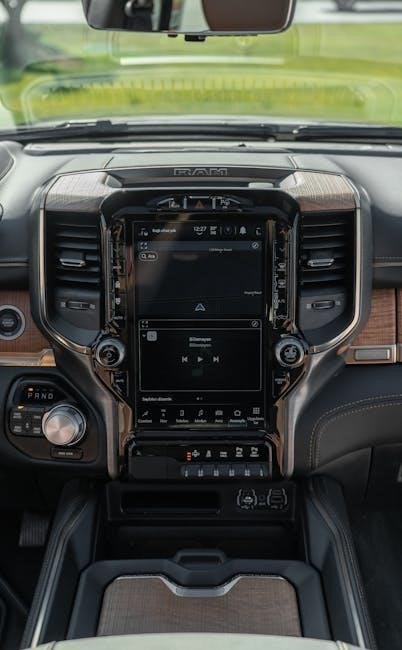
Vehicle Identification Number (VIN) & Key Information
Your Dodge Ram 1500 possesses a unique Vehicle Identification Number (VIN), a 17-character code crucial for identification, warranty claims, and theft recovery. Locate the VIN on the driver’s side dashboard, visible through the windshield, and on your vehicle registration and insurance documents. Record this number in a safe place.
Key information, including your vehicle’s model year (2007), engine type, and assembly plant, is also encoded within the VIN. Understanding your vehicle’s specifications is vital for proper maintenance and ordering correct replacement parts. Refer to the wiring diagram manual alongside the VIN for specific electrical system details. Keep all documentation, including this owner’s manual and wiring diagrams, organized for easy access when needed.
Understanding Your Vehicle
Explore the Ram 1500! This section details crucial components, from dashboard indicators to steering wheel functions, enhancing your driving experience and knowledge.

Dashboard Symbols and Indicators

Decoding the Lights: Your Dodge Ram 1500’s dashboard utilizes a series of symbols and indicators to communicate vital information about the vehicle’s status. Understanding these warnings is crucial for safe and efficient operation. A lit check engine light signals a potential engine issue requiring diagnosis. The oil pressure warning indicates low oil levels or pump malfunction – stop immediately!
The battery warning light suggests a charging system problem, while the brake warning light could mean the parking brake is engaged or there’s a brake system fault. Temperature gauges monitor engine coolant temperature, preventing overheating. Pay attention to the ABS light, signifying an issue with the anti-lock braking system. Familiarize yourself with all symbols in your owner’s manual for proactive vehicle care and a confident driving experience.

Instrument Panel Features
A Central Hub of Information: The instrument panel of your Dodge Ram 1500 is designed to provide a clear and comprehensive view of vehicle performance. Beyond the essential speedometer and tachometer, you’ll find a fuel gauge, coolant temperature indicator, and odometer displaying total mileage.
Many models incorporate a multi-view display screen offering customizable information like trip mileage, average fuel economy, and outside temperature. Digital displays often show gear selection (for automatic transmissions) and driving mode. Controls located near the instrument panel allow adjustment of brightness and information displayed. Regularly check these features to ensure accurate readings and a fully informed driving experience. Understanding these features enhances control and awareness while on the road.
Steering Wheel Controls & Functions
Command at Your Fingertips: Your Dodge Ram 1500’s steering wheel integrates numerous controls for convenience and safety. Commonly, you’ll find audio controls – volume, track selection, and radio station presets – allowing adjustments without taking your hands off the wheel. Cruise control buttons maintain a set speed on highways, reducing driver fatigue.
Many models also feature controls for the vehicle’s information display, enabling you to cycle through data like fuel economy and trip information. Phone controls facilitate hands-free calling, and voice command buttons activate the Uconnect system. Familiarize yourself with the location and function of each control to maximize convenience and maintain focus on the road. Proper use enhances the driving experience.

Operating Your Dodge Ram 1500
Drive with Confidence: This section details essential procedures for safely starting, driving, and maximizing the performance capabilities of your robust Dodge Ram 1500.
Starting and Stopping the Engine
Starting Your Ram 1500: Ensure the parking brake is engaged, and the transmission is in Park or Neutral. Insert the key into the ignition and turn it to the ‘Start’ position, releasing once the engine ignites. Avoid prolonged cranking to prevent starter damage. For vehicles equipped with a push-button start, firmly press the brake pedal and then press the start button.
Stopping the Engine: Gently apply the brakes to bring your Ram 1500 to a complete stop. Shift the transmission into Park and engage the parking brake. Turn the ignition key to the ‘Off’ position, or press the start/stop button. Always allow the engine to idle briefly before shutting it off, especially after heavy use, to ensure proper cooling and lubrication.
Important Note: Never attempt to start or stop the engine while the vehicle is in motion. Always prioritize safety and follow these procedures for optimal engine performance and longevity.
Driving Modes & Performance Features

Explore Driving Dynamics: Your Dodge Ram 1500 may feature selectable driving modes, optimizing performance for various conditions. These can include modes for Normal, Tow/Haul, Snow/Ice, and potentially Sport, altering throttle response, transmission shift points, and stability control settings.
Performance Enhancements: Utilize the available performance features like the Electronic Stability Control (ESC) system, which helps maintain directional control during challenging maneuvers. The Traction Control System (TCS) minimizes wheel spin for improved acceleration on slippery surfaces.
Maximize Capability: Understand how these systems interact to enhance your driving experience. Refer to the full owner’s manual for detailed explanations of each mode and feature, ensuring you leverage the full potential of your Ram 1500.
Transmission Operation (Automatic & Manual)
Automatic Transmission: Your Ram 1500’s automatic transmission offers smooth and efficient gear changes. Familiarize yourself with the gear selector positions – Park, Reverse, Neutral, Drive, and potentially Manual mode. Utilize the manual shift function for greater control when towing or navigating challenging terrain.
Manual Transmission (if equipped): For manual transmissions, practice smooth clutch engagement and precise gear selection. Avoid riding the clutch to prevent premature wear. Understand the gear ratios and their optimal use for various driving scenarios.
Optimal Performance: Refer to the owner’s manual for specific recommendations regarding transmission fluid checks and maintenance schedules. Proper operation and maintenance will ensure long-lasting performance and reliability.
Maintenance & Service
Essential Care: Maintaining your Ram 1500 ensures reliability and longevity; follow the recommended schedule for optimal performance and safety checks.
Recommended Maintenance Schedule
Staying on Track: Your Dodge Ram 1500’s longevity depends on adhering to a consistent maintenance schedule; Every 7,500 miles (or six months, whichever comes first), prioritize an oil and filter change using the manufacturer’s recommended grade. Inspect all fluid levels – coolant, brake fluid, power steering, and windshield washer – topping off as needed.
At 15,000 miles, add a cabin air filter replacement to the routine. Around 30,000 miles, consider inspecting the brake pads, rotors, and lines for wear and tear. Don’t forget to check the tires for proper inflation and rotation. A more comprehensive inspection, including belts, hoses, and suspension components, is advised at 60,000 miles. Following this schedule will help prevent unexpected repairs and keep your Ram running smoothly for years to come.
Fluid Checks & Top-Ups (Oil, Coolant, Brake Fluid)
Essential Levels: Regularly checking your Dodge Ram 1500’s fluids is crucial for optimal performance. Begin with the engine oil – ensure it’s at the ‘full’ mark on the dipstick when the engine is cold. Next, inspect the coolant reservoir; the level should be between the ‘min’ and ‘max’ lines. Low coolant can lead to overheating.
Brake fluid is equally vital; a low level indicates potential brake system issues. Check the power steering fluid reservoir as well. Use only the recommended fluid types specified in your owner’s manual. Top up fluids as needed, but if frequent top-ups are required, investigate for leaks. Maintaining proper fluid levels prevents costly damage and ensures safe operation.
Tire Information & Maintenance
Optimal Performance: Your Dodge Ram 1500’s tires are critical for safety and handling. Regularly check tire pressure – consult the sticker on the driver’s side doorjamb for the recommended PSI. Underinflated tires reduce fuel efficiency and increase wear, while overinflated tires compromise ride comfort.
Inspect tires for tread depth; use a tread depth gauge or the penny test. Rotate tires every 5,000-7,500 miles to ensure even wear. Examine sidewalls for cuts, bulges, or damage. Proper tire maintenance extends tire life, improves handling, and enhances overall vehicle safety. Always replace tires when they reach the wear bars or show signs of damage.
Safety Features & Systems
Protecting You: Your Ram 1500 boasts advanced safety, including airbags, ABS, traction control, and a security system, designed for comprehensive protection on every journey.
Airbag System & Safety Restraints
Understanding Your Airbag System: Your Dodge Ram 1500 is equipped with an advanced airbag system designed to provide crucial protection during a collision. This system includes front airbags for both driver and passenger, as well as side curtain airbags offering enhanced safety. It’s vital to understand that airbags deploy only in specific, severe impact situations.
Safety Restraint System: Always ensure all occupants are properly secured with safety restraints – seatbelts are the primary safety device. The Ram 1500 features three-point seatbelts for all seating positions. Children should be secured in appropriate child restraint systems, installed according to manufacturer instructions and local laws. Never alter or disable any component of the airbag or safety restraint system, as this could compromise its effectiveness and your safety. Regular inspection of seatbelts for wear and tear is recommended.
Braking System (ABS, Traction Control)
Advanced Braking Technology: Your Dodge Ram 1500 incorporates a sophisticated braking system featuring Anti-lock Braking System (ABS) and Traction Control. ABS prevents wheel lockup during hard braking, allowing you to maintain steering control. Traction Control minimizes wheel spin during acceleration, enhancing stability, especially on slippery surfaces.
System Operation & Indicators: A flashing ABS indicator light signals system activity or a potential issue. Maintain firm, steady pressure on the brake pedal during ABS activation – do not pump the brakes. Traction Control operates automatically, and a corresponding indicator light will illuminate when the system engages. Regular brake inspections, including pad and rotor checks, are crucial for optimal performance. Ensure brake fluid levels are maintained within the specified range for safe and reliable operation.
Security System & Anti-Theft Features
Protecting Your Investment: Your Dodge Ram 1500 is equipped with a factory-installed security system designed to deter theft and provide peace of mind. This system typically includes an immobilizer, preventing the engine from starting without the correct key. An alarm system activates upon unauthorized entry attempts, sounding a loud siren and potentially flashing the exterior lights.
System Operation & Key Fobs: Familiarize yourself with your key fob’s functions, including locking, unlocking, and activating the alarm. A red security indicator light on the dashboard confirms system activation. Avoid leaving valuables in plain sight. If your key fob malfunctions, a spare key can be used. Consult a qualified dealer for programming additional keys or addressing any security system concerns. Proper system maintenance ensures optimal protection.

Troubleshooting & Common Issues
Addressing Concerns: This section provides guidance on warning lights, jump-starting, and basic fixes for your Dodge Ram 1500, ensuring smooth operation.
Common Warning Lights & Their Meanings
Understanding Illuminated Alerts: Your Dodge Ram 1500 utilizes a series of warning lights to communicate vehicle status. The Check Engine light indicates potential engine or emissions system issues – immediate inspection is advised. A flashing Check Engine light signals a severe problem requiring prompt attention. The Oil Pressure light warns of low oil pressure, potentially causing engine damage; stop safely and check oil levels.
The Battery light signifies charging system problems, while the Brake light indicates parking brake engagement or low brake fluid. An illuminated ABS light suggests an issue with the anti-lock braking system. The Airbag light signals a problem within the airbag system, compromising safety. Ignoring these lights can lead to more significant repairs and potential safety hazards. Consult your owner’s manual for a comprehensive list and detailed explanations of each warning indicator.
Jump Starting Procedures
Safely Reviving a Discharged Battery: When jump-starting your Dodge Ram 1500, safety is paramount. First, position a functioning vehicle close enough for the jumper cables to reach, but ensure the vehicles aren’t touching. Connect the positive (+) cable to the discharged battery’s positive terminal, then to the boosting vehicle’s positive terminal. Next, connect the negative (-) cable to the boosting vehicle’s negative terminal, and finally, to a grounded metal surface on your Ram 1500 – not the negative battery terminal.
Start the boosting vehicle and let it run for a few minutes. Then, attempt to start your Ram 1500. Once started, carefully disconnect the cables in the reverse order of connection. Allow your vehicle to run for at least 20 minutes to recharge the battery. If jump-starting fails, a battery replacement may be necessary.
Basic Troubleshooting Guide
Addressing Common Concerns: Encountering minor issues with your Dodge Ram 1500 is normal. If your vehicle won’t start, first check the battery connections and fuel level. A flashing “Check Engine” light indicates a potential engine problem – consult a mechanic for diagnosis. For electrical issues, inspect fuses before assuming a larger problem; a blown fuse is a simple fix.
Unusual noises often signal mechanical concerns. Squealing brakes require immediate attention, while clunking sounds could indicate suspension problems. Refer to the warning lights section for specific meanings. Remember, this guide offers basic steps; complex issues require professional expertise. Prioritize safety and consult a qualified technician when unsure.