Welcome! This manual guides you through your 2014 Ford F-150, offering essential information for safe operation, maintenance, and repair, utilizing resources like Haynes manuals․
Purpose of the Manual
This owner’s manual serves as a comprehensive guide to familiarize you with the features, operation, and maintenance of your 2014 Ford F-150․ It’s designed to ensure safe and enjoyable driving, while also providing instructions for basic troubleshooting and repair, potentially aided by resources like Haynes manuals․ Understanding this manual empowers you to maximize your vehicle’s performance and longevity, covering everything from routine checks to understanding warning lights․
Scope of Information Covered
This manual details all aspects of your 2014 Ford F-150, encompassing vehicle identification, key features, maintenance schedules, and component diagrams․ It covers the engine, powertrain, electrical systems, tires, towing capacity, and vital safety features․ Furthermore, it addresses common issues, warranty details, and resources for service and repair, including guides like those from Haynes Manuals․
Vehicle Identification
Locate your F-150’s unique Vehicle Identification Number (VIN); this crucial code unlocks detailed vehicle specifications and history for proper service․
Vehicle Identification Number (VIN) Location
Finding your 2014 F-150’s VIN is straightforward․ It’s prominently displayed on the driver’s side dashboard, visible through the windshield․ Additionally, the VIN is located on the driver’s side door jamb sticker․ You’ll also find it on your vehicle registration and insurance documents․ This 17-character code is essential for identifying your specific truck and accessing its detailed history and warranty information․
Decoding the VIN
Your 2014 F-150’s VIN holds crucial information․ The first three characters identify the manufacturer (Ford)․ Subsequent digits detail the vehicle’s attributes – model year, assembly plant, engine type, and more․ Online VIN decoders can translate this code into a comprehensive vehicle specification report․ Understanding your VIN aids in identifying parts, checking recall status, and verifying vehicle history for potential buyers․

Key Features and Controls
Explore your F-150! This section details the dashboard layout, steering wheel functions, and the basics of the infotainment system for optimal driving․
Dashboard Overview
Understanding the Instrument Panel: The 2014 F-150’s dashboard presents vital vehicle information․ Key gauges display speed, engine RPM, fuel level, and coolant temperature․ Warning lights alert drivers to potential issues․ The central display provides access to infotainment features, vehicle settings, and towing information․ Familiarize yourself with the location of controls for climate, audio, and driver-assist technologies to ensure a safe and informed driving experience․
Steering Wheel Controls
Convenient Command Center: The 2014 F-150’s steering wheel integrates controls for audio system operation, cruise control, and hands-free phone calls․ Buttons allow effortless track selection, volume adjustment, and call answering․ Utilize these features to maintain focus on the road while managing essential functions․ Explore the controls to personalize your driving experience and enhance safety․
Infotainment System Basics
Stay Connected & Informed: Your 2014 F-150’s infotainment system provides access to audio, navigation (if equipped), and vehicle settings․ Familiarize yourself with the touchscreen interface or physical buttons for easy operation․ Explore features like SYNC voice control for hands-free functionality․ Refer to the system’s dedicated manual for detailed instructions and customization options․

Maintenance Schedule
Proactive Care is Key: Follow the recommended maintenance intervals for optimal performance and longevity of your 2014 Ford F-150, ensuring reliability․
Routine Maintenance Intervals
Stay on Schedule: Your 2014 F-150 benefits from consistent upkeep․ Oil changes are crucial every 7,500-10,000 miles with synthetic blend oil․ Tire rotations every 5,000 miles promote even wear․
Inspect brake pads, fluids, and belts regularly․ Air filter checks should occur every 15,000 miles․ Following these intervals, alongside utilizing repair guides, maximizes vehicle life and performance․
Fluid Checks and Replacements
Essential Fluids: Regularly inspect engine oil, coolant, brake fluid, power steering fluid, and transmission fluid levels․ Top off as needed, and adhere to replacement intervals․
Coolant flushes are recommended every 50,000 miles․ Transmission fluid should be changed around 60,000 miles․ Proper fluid maintenance, aided by service manuals, ensures optimal performance and longevity․
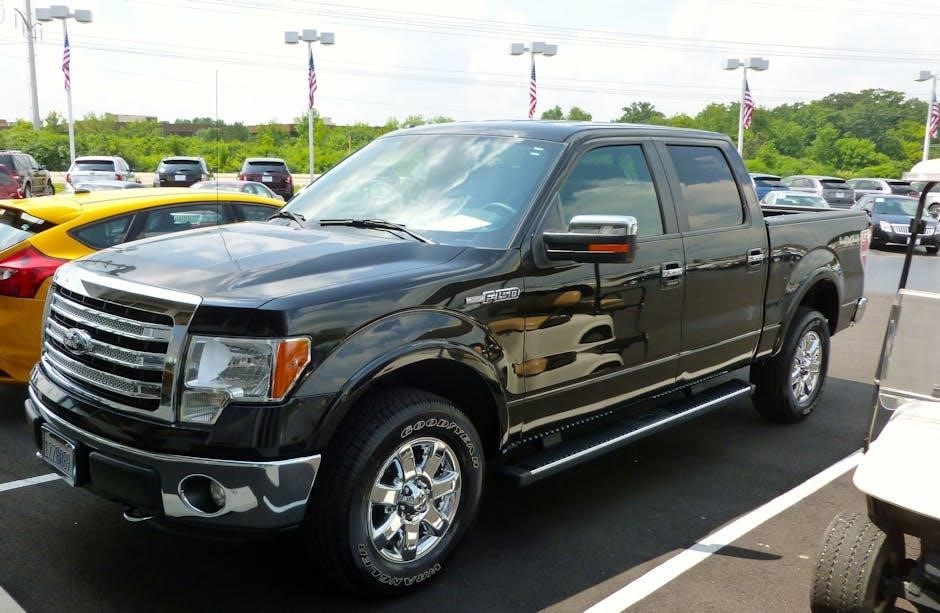
Body and Chassis
Component Overview: Explore detailed diagrams illustrating both the exterior and interior components of your 2014 Ford F-150 for comprehensive understanding․
Exterior Components Diagram
Detailed Visual Guide: This diagram provides a comprehensive overview of your 2014 F-150’s exterior․ It identifies key components like the grille, headlights, bumpers, side mirrors, and body panels․ Understanding these elements aids in maintenance and repair, especially when referencing service manuals․ Locate parts easily for replacements or modifications, ensuring proper fit and function․ Refer to this diagram alongside repair guides for optimal results․
Interior Components Diagram
Cabin Layout Explained: This diagram illustrates the 2014 F-150’s interior layout, pinpointing the dashboard, steering wheel controls, seating, and various trim pieces․ It’s crucial for understanding the location of features and accessing components for repair or upgrades․ Use this alongside service manuals for efficient troubleshooting and maintenance, ensuring a comfortable and functional driving experience within your vehicle’s cabin․

Engine and Powertrain
Power Source Details: Explore detailed specifications for the 2014 F-150’s engines and transmission, vital for understanding performance and maintenance requirements․
Engine Specifications
Detailed Engine Options: The 2014 Ford F-150 offered a range of powerful engines․ These included a 3․7L V6, a 5․0L V8, a 6․2L V8, and the popular 3․5L EcoBoost V6․ Each engine boasts unique horsepower and torque figures, influencing towing and payload capabilities․ Understanding these specifications is crucial for optimal performance and maintenance scheduling, ensuring longevity and reliability of your vehicle’s powertrain․
Transmission Information
Transmission Choices: The 2014 Ford F-150 typically featured a six-speed automatic transmission, paired with various engine options․ Proper understanding of transmission operation is vital for smooth driving and longevity․ Regular fluid checks, as outlined in the maintenance schedule, are essential․ Refer to repair guides, like Haynes manuals, for detailed servicing procedures and troubleshooting potential issues with shifting or performance․

Electrical System
Power Up! This section details the 2014 F-150’s battery, fuse box locations, and diagrams, crucial for diagnosing and resolving electrical concerns effectively․
Battery Information and Maintenance
Essential Power: Your 2014 Ford F-150 relies on a robust battery․ This section covers specifications, proper jump-starting procedures, and preventative maintenance․ Regularly inspect terminals for corrosion, cleaning as needed․ Ensure secure connections to maintain optimal performance․ Consider battery testing periodically, especially before winter, to guarantee reliable starting and electrical system function․ Proper care extends battery life․
Fuse Box Locations and Diagrams
Protecting Your Systems: The 2014 F-150 features multiple fuse box locations – typically under the hood and within the cabin․ Detailed diagrams illustrate each fuse’s purpose, aiding in quick identification and replacement․ Always use the correct amperage fuse to prevent damage․ Consult this section before addressing electrical issues, ensuring safe and effective repairs․
Tires and Wheels
Optimal Performance: This section details proper tire specifications, inflation pressures, and the Tire Pressure Monitoring System (TPMS) for your 2014 Ford F-150․
Tire Specifications
Understanding Your Tires: Your 2014 Ford F-150’s tire specifications are crucial for safety and performance․ Refer to the sticker on the driver’s side doorjamb or your owner’s manual for the original equipment tire size․ Common sizes include LT275/65R18 and P275/55R20․
Ensure tires meet load range and speed ratings․ Replacing tires with incorrect specifications can affect handling, braking, and TPMS functionality․ Always prioritize matching the original equipment specifications․
Tire Pressure Monitoring System (TPMS)
TPMS Explained: Your 2014 F-150 features a Tire Pressure Monitoring System (TPMS) that alerts you to low tire pressure․ A warning light illuminates on the dashboard when pressure drops significantly․ Regularly check tire pressure – even with TPMS – using a reliable gauge․
Proper inflation improves fuel economy and tire life․ Reset the TPMS after inflation adjustments, following the procedure in your owner’s manual․

Towing and Payload Capacity
Understand Limits: This section details your 2014 F-150’s towing guide and payload capacity, crucial for safe operation and preventing vehicle damage․
Towing Guide
Safe Towing Practices: Your 2014 Ford F-150’s towing capacity varies based on engine, axle ratio, and cab configuration․ Always consult the towing chart within this manual before attaching a trailer․ Proper weight distribution, hitch selection, and trailer brake controllers are vital for safe towing․ Regularly inspect trailer connections and tires, adhering to speed limits and being mindful of increased stopping distances․
Payload Capacity Information
Understanding Payload Limits: The 2014 F-150’s payload capacity – the maximum weight it can carry – is crucial for safe operation․ This limit includes passengers, cargo, and any accessories․ Locate the specific payload sticker on the driver’s side doorjamb․ Exceeding this weight compromises handling and braking performance, potentially leading to dangerous situations; always stay within specified limits․
Safety Features
Protecting Occupants: Your 2014 F-150 includes advanced safety systems like airbags and safety restraints, designed to minimize injury during collisions․
Airbag System
Supplemental Restraint System: The 2014 Ford F-150’s airbag system is a crucial safety component, working with seatbelts to provide enhanced protection during moderate to severe impacts․ Front and side airbags are strategically positioned throughout the cabin․
Always ensure proper seatbelt usage; airbags supplement, not replace, this vital safety measure․ Improper seating or modifications can affect airbag deployment and effectiveness․ Refer to the owner’s manual for detailed warnings and precautions regarding the airbag system․
Safety Restraints
Essential Protection: Your 2014 Ford F-150 is equipped with a comprehensive safety restraint system, primarily consisting of three-point seatbelts for all seating positions․ These belts are designed to hold occupants securely in place during collisions, minimizing injury risk․
Proper belt fit is crucial – adjust for a snug, comfortable fit․ Never alter or replace seatbelt components with non-Ford approved parts․ Always inspect belts for damage before each use․
Troubleshooting Common Issues
Quick Solutions: This section details solutions for typical 2014 F-150 problems, like starting difficulties and deciphering warning lights, for confident driving․
Starting Problems
Addressing No-Start Situations: If your 2014 F-150 fails to start, first check the battery connections and ensure sufficient charge․ A faulty starter, fuel pump, or ignition switch could also be culprits․ Consult repair guides, like Haynes manuals, for detailed diagnostic steps and potential fixes․ Remember to review the owner’s manual for specific troubleshooting advice related to your vehicle’s configuration․
Warning Light Meanings
Decoding Dashboard Signals: Your 2014 F-150’s dashboard lights provide crucial alerts․ The owner’s manual details each symbol’s meaning – from low fuel to engine issues․ Ignoring these warnings can lead to damage․ Resources like repair manuals offer expanded explanations and diagnostic guidance․ Prioritize understanding these signals for safe and proactive vehicle maintenance․

Warranty Information
Coverage Details: Your 2014 F-150 warranty protects against defects․ This section outlines coverage periods, claim procedures, and what’s included for peace of mind․
Warranty Coverage Details
Comprehensive Protection: The 2014 Ford F-150’s warranty offers tiered coverage, beginning with a basic bumper-to-bumper warranty for 36 months/36,000 miles․ Powertrain coverage extends to 60 months/60,000 miles, safeguarding the engine and transmission․ Corrosion warranty spans 60 months/unlimited mileage․ Specific exclusions apply; review the full warranty document for complete details regarding covered components and claim eligibility․ Understanding these terms ensures maximized benefits․
Claim Procedures
Initiating a Warranty Claim: To file a claim, first, schedule a service appointment with an authorized Ford dealership․ Clearly describe the issue to the service advisor․ The dealership will diagnose the problem and determine if it’s covered under warranty․ If approved, they’ll submit the claim to Ford․ Keep detailed records of all service visits and related documentation for potential follow-up․

Service and Repair Resources
Find Support: Utilize Haynes manuals and online repair guides, or locate a trusted Ford dealership for professional service and expert assistance with your F-150․
Haynes Manuals and Repair Guides
Detailed DIY Assistance: Haynes manuals provide step-by-step workshop guides for servicing and repairing your 2014 Ford F-150․ These resources cover a wide range of maintenance tasks, from routine checks to more complex repairs, suitable for all skill levels․ They empower owners to perform DIY maintenance, saving on costs and gaining a deeper understanding of their vehicle’s systems․ Explore these manuals for comprehensive guidance!
Ford Dealership Locator
Professional Service Network: For specialized repairs or warranty claims on your 2014 Ford F-150, locate an authorized Ford dealership․ Ford’s official website provides a convenient dealership locator tool, enabling you to find the nearest service center․ Dealerships offer expert technicians, genuine Ford parts, and advanced diagnostic equipment, ensuring quality maintenance and repairs for your truck․

Emergency Procedures
Critical Assistance: In roadside emergencies or accidents involving your 2014 F-150, this section details procedures for assistance and proper accident reporting protocols․
Roadside Assistance
Need Help? Your 2014 Ford F-150 may qualify for roadside assistance services, providing support for issues like jump starts, tire changes, towing, and fuel delivery․ Contact Ford directly or utilize associated service plans for prompt help․ Knowing your vehicle’s location and VIN is crucial when requesting assistance; Refer to warranty details for coverage specifics and limitations, ensuring a swift resolution to unexpected roadside challenges․
Accident Reporting
Involved in an Accident? Following a collision with your 2014 Ford F-150, ensure personal safety first․ Exchange information with other parties and contact local law enforcement to file a report․ Document the scene with photos and gather witness details․ Promptly notify your insurance provider, referencing the police report number for efficient claim processing and resolution․