Cessna 172S Maintenance Manual: A Comprehensive Overview
Cessna’s Model 172 Maintenance Manual (Revision 21) guides servicing, supplemented by service letters and news from the Aircraft Company, ensuring safety.
Maintaining a Cessna 172S requires diligent adherence to a structured maintenance program, vital for operational safety and longevity. The Cessna Model 172 Maintenance Manual, specifically Revision 21, serves as the foundational document, detailing procedures for all aircraft from serial number 17280001 onwards. However, this manual isn’t static; it’s continuously updated through service letters and service news letters issued by the Cessna Aircraft Company.
Costs for proper maintenance fluctuate based on the aircraft’s age, specific model, and its intended use. A comprehensive approach involves both scheduled inspections – like the 100-hour and annual checks – and unscheduled maintenance addressing unexpected issues. Understanding the interplay between the manual, service bulletins, and a planned schedule of preventative maintenance is paramount for any 172S owner or operator.
Understanding Maintenance Revisions & Updates
The Cessna 172S Maintenance Manual undergoes periodic revisions to incorporate new technologies, address identified issues, and enhance safety protocols. Staying current with these updates is not merely recommended, but essential for legal compliance and safe operation. Service letters and service news letters, published by Cessna Aircraft Company, represent the primary method of disseminating these changes, supplementing the core manual.
These updates can range from minor clarifications to significant procedural changes, potentially impacting inspection intervals or repair techniques. Owners and maintenance personnel must actively monitor for these publications and integrate them into their maintenance programs. Ignoring revisions can lead to non-compliance, voided warranties, and, most critically, compromise aircraft airworthiness. Proper documentation of all revisions applied is also crucial for maintaining a complete maintenance history.
Importance of Following the Maintenance Schedule
Adhering to the prescribed maintenance schedule for a Cessna 172S is paramount for ensuring continued airworthiness, operational reliability, and, most importantly, flight safety. A planned schedule of lubrication and preventative maintenance proactively addresses potential issues before they escalate into costly repairs or hazardous situations. Deviations from this schedule can compromise structural integrity, system functionality, and overall aircraft performance.
Regular inspections, as outlined in the manual, identify wear and tear, corrosion, and other anomalies that might otherwise go unnoticed. Consistent maintenance also preserves the aircraft’s value and extends its service life; A commercially operated aircraft’s 100-hour inspection, for example, follows a pre-approved maintenance schedule, demonstrating the critical nature of diligent upkeep.

Scheduled Maintenance Inspections
Aircraft maintenance includes 100-hour, annual, and progressive inspections, alongside supplemental checks and service letters, guaranteeing airworthiness and safety standards.
100-Hour Inspection Requirements
The 100-hour inspection, crucial for commercially operated aircraft, follows a pre-approved maintenance schedule, differing from privately owned planes. This inspection isn’t mandated by regulation for personal use, but is required for flight instruction and hire. Key areas include a thorough examination of the engine, propeller, and associated components, ensuring optimal performance and safety.
Inspectors meticulously check for wear, tear, and any discrepancies. Control surfaces, the fuel system, and landing gear receive detailed attention. Furthermore, the inspection covers the aircraft’s structure, looking for corrosion or damage. Proper documentation of all findings and corrective actions is essential, logged meticulously in the aircraft’s records. Adherence to these requirements maintains airworthiness and minimizes potential risks during flight operations, contributing to overall aviation safety.
Annual Inspection: Detailed Breakdown
The annual inspection represents a comprehensive assessment of the Cessna 172S, exceeding the scope of the 100-hour check. A licensed Aircraft Maintenance Technician (AMT) performs this detailed examination, ensuring continued airworthiness. This involves a complete teardown and inspection of critical systems, including the engine, propeller, flight controls, and landing gear.
The inspection extends to the aircraft’s structure, meticulously checking for corrosion, cracks, and any structural damage. Fuel lines, electrical wiring, and avionics are also thoroughly inspected. Compliance with applicable Service Bulletins is verified. Detailed documentation of all findings, repairs, and replacements is crucial, recorded in the aircraft’s logbooks. Successful completion of the annual inspection is mandatory for continued operation, guaranteeing safety and regulatory compliance.
Progressive Inspection Program Overview
The Progressive Inspection Program offers an alternative to the traditional annual inspection, spreading maintenance tasks throughout the year. This approach divides the annual inspection workload into smaller, more manageable phases, typically completed during scheduled 100-hour inspections. It requires FAA approval and a detailed, pre-approved inspection schedule.
This program minimizes aircraft downtime, as the entire aircraft isn’t grounded for a lengthy annual. Each progressive inspection focuses on specific systems, ensuring consistent monitoring and preventative maintenance. Strict adherence to the approved schedule and detailed record-keeping are vital for program compliance. Utilizing this method requires a commercially operated aircraft and a pre-approved maintenance schedule.
Supplemental Inspections & Service Letters
Beyond scheduled maintenance, Cessna frequently issues Service Letters and Service News Letters to address emerging issues or enhance aircraft safety. These aren’t mandatory like Airworthiness Directives, but strongly recommended for compliance, detailing specific inspections or modifications.

Supplemental inspections may be required due to specific operating conditions, damage reports, or component failures. These inspections supplement the standard schedule, ensuring all potential problems are addressed promptly. Staying current with Cessna’s publications is crucial; they supplement the 172 Maintenance Manual. Proper documentation of all supplemental inspections and service letter compliance is essential for maintaining accurate aircraft records and demonstrating continued airworthiness.
Engine Maintenance

The Continental O-300 series requires overhaul around 1800 hours, though service bulletins like M74-20 may alter this schedule for specific engines.
Continental O-300 Series Engine Overhaul Schedule
Continental recommends a standard overhaul interval of 1800 hours Time-In-Service (TIS) for the O-300 series engines commonly found in Cessna 172S aircraft. However, this is not a rigid limit, and several factors can influence the actual required overhaul time.
Crucially, Continental publishes Aircraft Engine Service Bulletins (SBs) that can modify this schedule. For example, SB M74-20 provides stipulations that may extend or shorten the overhaul interval based on specific engine configurations and operational conditions.
Regular oil analysis is vital for monitoring engine health and potentially extending overhaul intervals. Consistent adherence to recommended oil change procedures, typically every 50 flight hours or four months, contributes significantly to engine longevity. Thorough inspections during the 100-hour and annual inspections are also essential for identifying potential issues before they necessitate a major overhaul.

Owners should always consult the latest Continental engine manuals and service bulletins to determine the most appropriate overhaul schedule for their specific engine.
Oil Change Procedures & Frequency
Generally, oil changes for the Cessna 172S, equipped with a Continental O-300 engine, are recommended every 50 flight hours or four calendar months, whichever occurs first. This frequency ensures optimal engine lubrication and prevents the buildup of contaminants.
However, recent recommendations from Lycoming (applicable principles extend to Continental) suggest potential for extended intervals under specific conditions, such as consistent oil analysis demonstrating acceptable wear metal levels and oil condition. Always prioritize manufacturer guidelines.
The oil change procedure involves draining the old oil, replacing the oil filter, and refilling with the correct grade and quantity of oil as specified in the Cessna 172S Pilot Operating Handbook (POH). Proper disposal of used oil is crucial for environmental responsibility. Detailed documentation of each oil change in the aircraft’s logbooks is mandatory for maintenance tracking.
Spark Plug Inspection and Replacement
Regular spark plug inspection is vital for maintaining optimal engine performance in the Cessna 172S. Inspections should occur during the 100-hour and annual inspections, and more frequently if engine misfires or rough running are observed. Look for signs of wear, fouling, or damage to the electrodes and insulators.
Replacement intervals depend on plug type and operating conditions, but generally, spark plugs should be replaced every 500 hours or as recommended by the manufacturer. Using the correct spark plug type, as specified in the Cessna 172S parts catalog, is crucial.
Proper gapping and torqueing during installation are essential for reliable ignition. Detailed logbook entries documenting the inspection, cleaning, or replacement of spark plugs are required for accurate maintenance records and airworthiness compliance.
Air Filter Maintenance & Cleaning
Maintaining a clean air filter is paramount for ensuring optimal engine performance and preventing foreign object damage within the Cessna 172S’s engine. Inspections should be performed during the 100-hour and annual inspections, checking for dirt, debris, or damage to the filter element.
Cleaning procedures vary depending on the filter type; paper filters are typically replaced, while some reusable filters can be carefully cleaned with appropriate solvents. Always refer to the manufacturer’s instructions for specific cleaning guidelines.
Regular replacement or cleaning, as per the maintenance schedule, prevents reduced airflow and potential engine issues. Detailed logbook entries documenting air filter maintenance are essential for maintaining accurate aircraft records and ensuring continued airworthiness.
Carburetor Maintenance & Inspection
The carburetor, a critical component of the Cessna 172S’s engine, requires diligent maintenance and inspection to ensure reliable operation and prevent potential engine failures. Inspections should occur during scheduled maintenance, focusing on identifying any signs of wear, corrosion, or blockage within the carburetor assembly.
Particular attention should be paid to the float, jets, and linkages, ensuring they are clean and functioning correctly. Carburetor cleaning may involve disassembly and the use of specialized cleaning solutions to remove deposits and contaminants.
Properly documented maintenance, including any adjustments or replacements, is vital for maintaining accurate aircraft records and adhering to regulatory requirements, guaranteeing continued safe flight operations.

Airframe Maintenance
Airframe upkeep involves meticulous inspections for corrosion, damage, and proper function of critical components like control cables and landing gear structures.
Control Cable Inspection & Lubrication
Control cable integrity is paramount for safe flight operations within the Cessna 172S. Regular inspection, as outlined in the maintenance manual, focuses on identifying fraying, kinking, corrosion, or any damage to the cable itself and its associated hardware.
A thorough visual examination should be conducted along the entire cable run, paying close attention to areas where the cable passes through pulleys or makes sharp bends. Proper tension is also crucial; cables that are too loose or too tight can lead to imprecise control inputs or premature wear.
Lubrication is a vital part of this maintenance process. Approved lubricants, specified by Cessna, should be applied to the cables to reduce friction and prevent corrosion. Avoid over-lubrication, as excess lubricant can attract dirt and debris. Following the recommended lubrication schedule ensures smooth, responsive control movements and extends the lifespan of the cables.
Landing Gear Maintenance Procedures
Landing gear maintenance on the Cessna 172S demands meticulous attention to detail, ensuring reliable operation during critical phases of flight. Procedures encompass inspection of the main and nose gear assemblies, tires, brakes, and associated hardware.
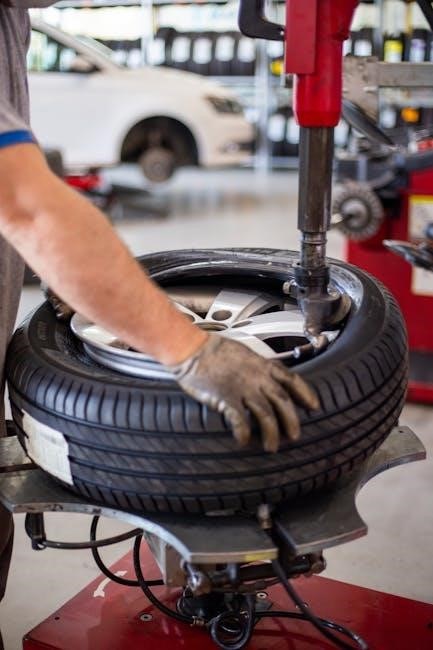
Regularly check tires for wear, damage, and proper inflation. Brake inspections involve assessing pad thickness, disc condition, and hydraulic fluid levels. The landing gear struts should be examined for cracks, corrosion, and proper extension/retraction functionality.
Lubrication of moving parts, like the nose gear steering linkage, is essential for smooth operation. Torque checks on critical fasteners are also vital. Adherence to the Cessna maintenance schedule, outlined in the manual, guarantees the continued airworthiness and safe operation of the aircraft’s landing gear system.
Wing Inspection for Corrosion and Damage
Wing inspections are paramount for Cessna 172S airworthiness, focusing on detecting corrosion and structural damage. Thorough examinations involve visually inspecting the wing skins, spars, ribs, and control surfaces for any signs of deterioration.
Pay close attention to areas prone to corrosion, such as around fasteners, leading edges, and fuel tank access panels. Look for cracks, dents, or distortions in the wing structure. Control surface hinges and balance weights require careful scrutiny.
Any identified corrosion must be treated promptly, following approved Cessna procedures. Damage exceeding established limits necessitates repair or component replacement. Consistent adherence to the maintenance manual’s inspection schedule is crucial for maintaining wing structural integrity and flight safety.
Fuselage Inspection and Repair
Fuselage inspections for a Cessna 172S are critical, encompassing the entire airframe structure for signs of damage or corrosion. Focus areas include skin panels, longerons, bulkheads, and areas around windows and doors.
Inspect for cracks, dents, distortions, and evidence of previous repairs. Pay particular attention to areas subject to stress concentration, like around antenna mounts and control cable access points. Corrosion, especially in areas exposed to moisture, requires immediate attention.
Repairs must adhere strictly to Cessna’s approved procedures and structural repair manual. Any significant damage necessitates consultation with a qualified aircraft structural technician. Maintaining the fuselage’s integrity is vital for overall airframe strength and passenger safety.

Avionics & Systems Maintenance
Avionics systems, including pitot-static, transponders, and navigation, require regular inspection and certification for reliable operation and aircraft safety.
Pitot-Static System Inspection & Certification
The pitot-static system is critical for accurate airspeed, altitude, and vertical speed indications, directly impacting flight safety. A thorough inspection involves checking all lines for leaks, obstructions, and proper connections. This includes the pitot tube, static port, and all associated tubing, ensuring no damage or deterioration exists.
Leak checks are performed using a sensitive differential pressure tester to verify system integrity. Each instrument – airspeed indicator, altimeter, and vertical speed indicator – must be tested individually against known standards. Certification requires documenting the inspection process, any discrepancies found, and corrective actions taken in the aircraft’s logbooks.
Regular certification, typically annually, is mandated by aviation regulations to maintain the system’s reliability and ensure pilots receive accurate flight information. Proper functioning of this system is paramount for safe flight operations.
Transponder Inspection & Repair
The transponder is a vital component of the aircraft’s avionics, enabling identification and altitude reporting to Air Traffic Control (ATC). Regular inspection involves verifying its operational functionality, including Mode A, Mode C, and potentially Mode S capabilities, depending on the specific unit installed in the Cessna 172S.
Testing procedures include checking the transponder’s ability to respond correctly to interrogation signals from ATC, ensuring accurate altitude encoding, and verifying proper squawk code selection. Any discrepancies discovered during inspection necessitate repair or replacement of faulty components.
Recertification is typically required every 24 calendar months, as mandated by aviation regulations. Detailed logbook entries documenting all inspections, repairs, and certifications are essential for maintaining compliance and ensuring continued safe operation.
Navigation System Maintenance
Maintaining the Cessna 172S’s navigation systems – encompassing VOR, LOC, and GPS – is crucial for safe and efficient flight operations. Regular inspections involve verifying the accuracy of signal reception, proper display functionality, and correct database currency. Outdated databases can lead to navigational errors, posing significant safety risks.
Operational checks should confirm the system’s ability to tune and identify navigation frequencies accurately, track desired courses, and provide reliable guidance. Antenna connections must be inspected for corrosion and secure attachment. Any observed anomalies, such as signal dropouts or inaccurate displays, require immediate attention.
Proper documentation of all maintenance activities, including database updates and component replacements, is vital for maintaining airworthiness and regulatory compliance.
Electrical System Inspection & Troubleshooting
A thorough inspection of the Cessna 172S’s electrical system is paramount for operational reliability. This includes scrutinizing the battery for proper charge and corrosion, examining wiring harnesses for damage or wear, and verifying the functionality of circuit breakers and fuses. Loose connections or frayed wires represent potential fire hazards and must be addressed immediately.
Troubleshooting electrical issues requires a systematic approach, utilizing a multimeter to check voltage drops and continuity. Common problems include faulty switches, malfunctioning lights, and erratic instrument readings. Proper grounding is essential; inspect ground connections for security and cleanliness.
Detailed logbook entries documenting all inspections, repairs, and component replacements are crucial for maintaining airworthiness and ensuring future maintenance efficiency.
Record Keeping & Documentation
Detailed logbook entries are vital, including all maintenance performed, component replacements, and compliance with service bulletins for airworthiness tracking.
Logbook Entries: What to Include
Maintaining meticulous logbook entries is paramount for any Cessna 172S, ensuring a complete and verifiable history of all maintenance performed. Each entry must clearly state the date of the work, a detailed description of the maintenance completed – be it an inspection, repair, or replacement – and the specific aircraft serial number (like 172S9128).
Crucially, include the mechanic’s certificate number who performed the work, along with their signature. Reference any applicable Airworthiness Directives (ADs) or Service Bulletins complied with, noting the bulletin number and date. For component replacements, record the part number, serial number, and total time since new.
Don’t forget to document any discrepancies found during inspections and the corrective actions taken. Accurate and thorough logbook entries are essential for demonstrating continued airworthiness to inspectors and maintaining the aircraft’s value.
Maintenance Tracking Software Options
Effectively managing Cessna 172S maintenance requires robust record-keeping, and several software options streamline this process beyond traditional logbooks. Popular choices include Aircraft Maintenance Tracking (AMT) systems, offering digital logbooks, scheduled maintenance alerts, and compliance tracking for Airworthiness Directives and Service Bulletins.
Garmin GULC is another option, integrating with Garmin avionics for automated data logging. Others, like ForeFlight and FlightAware, offer maintenance tracking features alongside flight planning capabilities. These platforms help owners and mechanics adhere to the maintenance schedule, including 100-hour and annual inspections.
Selecting the right software depends on individual needs and budget, but all aim to improve efficiency, reduce errors, and ensure the aircraft remains in airworthy condition, referencing the Cessna 172 Maintenance Manual.
Service Bulletins & Compliance
Service Bulletins (SBs) issued by Cessna are crucial for maintaining a Cessna 172S, addressing potential safety issues or improvements not covered in the standard maintenance schedule. These aren’t mandatory like Airworthiness Directives (ADs), but compliance is strongly recommended to ensure continued airworthiness and optimal performance.
The Cessna 172 Maintenance Manual references these SBs, requiring owners to monitor for new releases and implement applicable changes. Proper documentation of SB compliance within the aircraft’s logbooks is essential. For example, Continental aircraft engine Service Bulletin M74-20 impacts overhaul schedules.
Staying current with SBs, alongside ADs, demonstrates a commitment to safety and helps maintain the aircraft’s value, referencing Revision 21 of the manual.